Showing 121–129 of 129 results
£49.95
IFRA: IFRA
SDS: SDS
Allergen Declarations: Allergen Declarations
Add to basket
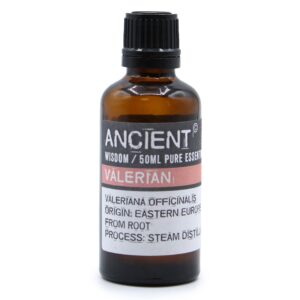
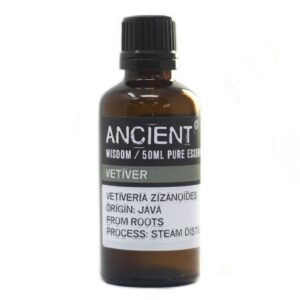
Latin Name : Vetiveria Zizanioides
Part of Plant Used : Roots
Source : Java
Extraction Method : Steam Distillation
This Vetiver Essential Oil, also called khus oil, is extracted from the vetiver plant, a clumpy, green grass native to India that can grow five feet high or more. Vetiver oil is quite fragrant, with a distinctive sharp and earthy scent you may recognize from men’s cologne.
The soothing and cooling effects of vetiver essential oil calm and pacify all sorts of inflammation. It is particularly good at providing relief from inflammation in both the circulatory and nervous system.
The essential oil of vetiver is a well-known sedative. It sedates nervous irritations, afflictions, convulsions and emotional outbursts such as anger, anxiety, epileptic and hysteric attacks, restlessness, and nervousness. It even benefits patients that suffer from insomnia.
vetiver essential oil helps heal wounds by promoting the growth of new tissues in wounded places and also by keeping it safe from infections by inhibiting the growth of microbes.
IFRA: IFRA
SDS: SDS
Allergen Declarations: Allergen Declarations
£5.75
IFRA: IFRA
SDS: SDS
Allergen Declarations: Allergen Declarations
Add to basket
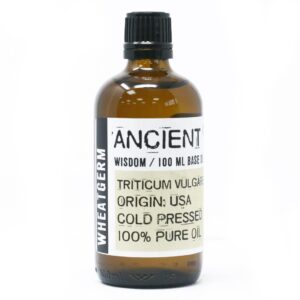
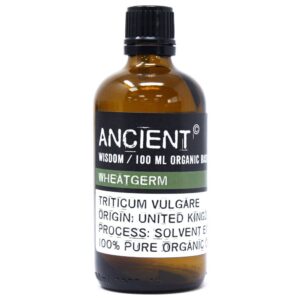
Botanical Name: Triticum Vulgare.
Origin: Wheat originated in the ancient fertile crescent area between the Mediterranean Sea and the Persian Gulf. It has since been grown in many temperate regions and is now one of the main sources of food . Our Wheatgerm oil originates from regions of North America. It is is extracted from the kernel of the wheat grain.
Wheatgerm Oil is a great source of Vitamin E, which is an anti-oxidant that may benefit your skin but may also act as a natural preservative for your massage oils and blends. With its regenerative properties may helps soften damaged and ageing skin.
Colour and odour : golden yellow to orange colour , intensive wheat scent
Texture: Very Rich ( not suitable as a base oil for massages, best mixed with other oils )
Shelf Life: 1 year
Our Wheatgerm base oil is studiously selected, bought more often not from primary sources, tested for purity and subjected to rigorous quality control standards.
Our Wheatgerm Base Oil is sourced from USA and made by cold pressed extraction method.
IFRA: IFRA
SDS: SDS
Allergen Declarations: Allergen Declarations
£7.75
IFRA: IFRA
SDS: SDS
Allergen Declarations: Allergen Declarations
Add to basket
Latin Name : Cinnamomum Camphora
Part Of Plat Used : Wood and Roots
Source : China
Extraction Method : Steam Distillation
White Camphor Essential Oil smells fresh, intense and woody. Its aroma is somewhat eucalyptus-like due to its high cineole content.
White camphor Essential oil provides respiratory relief. It immediately relieves congestion of the bronchi, larynx, pharynx, nasal tracts, and lungs. Applied to the skin, camphor oil can help to relieve pain and inflammation.
It can help with Muscular Aches and Pains, Rheumatism, Cough, Bronchitis, Colds, Acne, Rashes, Parasitic Skin Infections, Contusions, Bruises and Insect Repellent.
IFRA: IFRA
SDS: SDS
Allergen Declarations: Allergen Declarations

£25.75
IFRA: IFRA
SDS: SDS
Allergen Declarations: Allergen Declarations
Add to basket
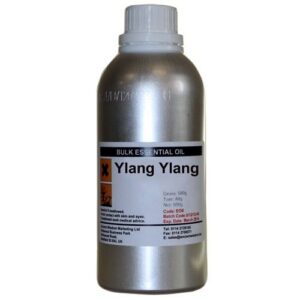
Latin Name : Cananga Odorata.
Part of Plant Used : Flowers.
Source : Camores.
Extraction Method : Steam Distillation.
Ylang Ylang is a large tree native to the far eastern countries like Malaysia, Philippines, and Indonesia. Its yellow flowers are strongly fragrant and have long trailing petals. The essential oil made from it is available in abundance and is
therefore the least expensive but is highly favoured for its fragrance in the perfume and cosmetics industries, and is also being used in the food industry today.
According to science, Wholesale Ylang-Ylang Essential Oil is a mental stimulant. In contrast, the world of aromatherapy considers this oil one of the best at relaxing the mind and the body. Simply smelling it is supposed to help lower blood pressure.
Taking a bath with the oil or using it in a massage oil naturally enhances the relaxation experience. It is used to relieve stress, depression, shock, or anxiety. When used as a hair tonic, it is supposed to balance oil production. Be warned, though, that high concentrations of ylang ylang can cause headaches or nausea.
Ylang Ylang means the flower of flowers in Malay, and was traditionally thought of as an aphrodisiac and a relaxing fragrance, so the flowers of this tree were strewn on the marriage bed of a newly married couple in Indonesia. Muslim women used to burn this oil to scent their harems, the part of the palace reserved for women. In China, the fragrance was used to purify the robes of the mandarin. Ylang Ylang essential oil has been associated with perfumes and relaxation for a long time.
IFRA: IFRA
SDS: SDS
Allergen Declarations: Allergen Declarations
£17.50
IFRA: IFRA
SDS: SDS
Allergen Declarations: Allergen Declarations
Add to basket
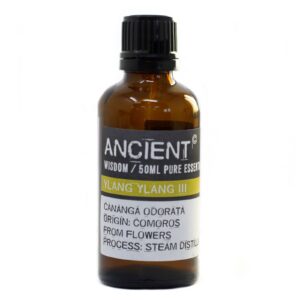
Latin Name : Cananga Odorata
Part of Plant Used : Flowers
Source : Camores
Extraction Method : Steam Distillation
Ylang Ylang means “flower of flowers” and has been used for centuries across tropical areas of Asia including the Philippines, Indonesia and the Polynesian Islands. The flowers were and are still traditionally used in Indonesia to decorate the bed of newly married couples on their wedding night due to their uplifting and aphrodisiac qualities.
Ylang Ylang is renowned for its mood enhancing, sedative, antidepressant, beautifying and aphrodisiac properties. It is beneficial for the immune system, cardiovascular system and endocrine system, relaxing the body while liberating the mind of negative emotions. Ylang ylang essential oil is also used to relieve pain, reduce inflammation, improve mood, and enhance libido. In addition, ylang ylang essential oil is said to act as a natural insect repellent, promote wound healing, and diminish the appearance of scars when applied to the skin.
IFRA: IFRA
SDS: SDS
Allergen Declarations: Allergen Declarations